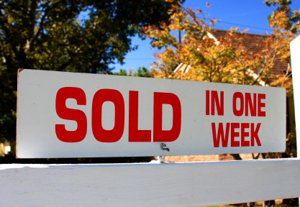
Home Sale Preparation

The Pitfalls of Selling Your Home “As Is”

Many homeowners consider selling their home “as is” when they don’t want to deal with repairs or updates before listing.

At first glance, selling “as is” sounds simple: list the home in its current condition and let the buyer handle everything after closing.

While this approach can work in certain situations, it often comes with significant drawbacks that many sellers don’t anticipate. Before deciding to sell your home “as is,” it’s important to understand the potential pitfalls.


1. You May Attract Fewer Buyers

https://ssl.cdn-redfin.com/photo/82/islphoto/348/genIslnoResize.7728348_0.webp
https://ssl.cdn-redfin.com/photo/226/mbphotov3/526/genMid.187526_0.jpg

When a property is listed “as is,” many buyers immediately assume the home has serious problems.

That perception can reduce the number of interested buyers and limit your pool primarily to:

  • Investors
  • House flippers
  • Buyers looking for deep discounts

Fewer interested buyers often means less competition and lower offers.


2. Buyers Expect a Discount

https://images.openai.com/static-rsc-3/3UUc61U7nooGRZKaKtfW481HJOVwJ5taKiM3EKdCqiuCl8sBb--InRw2QALKUZOfi-qY2UrElZ_G29vVHvXJKKOGNXQDZsI5CqPkYpBVZnc?purpose=fullsize&v=1

Most buyers assume that if a home is being sold “as is,” it should be priced significantly below market value.

Even if the home only needs minor improvements, the “as is” label often signals risk to buyers. As a result, they typically factor potential repair costs — and then add additional negotiation margin — when making an offer.


3. Inspection Negotiations Still Happen

https://images.openai.com/static-rsc-3/E6O_u_9Wn7SUq27ulKzfmVqdHS9Mvx3eXmDLuxKkJl5kQzcoY3KSiaBdiYWHb02Zf9kUqVqM2wpr0LTPD_5EKsUH9hNMPIHsvVfz6hXS_IQ?purpose=fullsize&v=1

Many sellers believe that selling “as is” means buyers cannot request repairs after the inspection.

In reality, buyers often will still negotiate.

If an inspection reveals issues with the roof, HVAC system, plumbing, or foundation, buyers may walk away unless concessions are made:

  • Price reductions
  • Repair credits
  • Contract termination

Even with an “as is” listing, negotiations often continue after inspections.


4. Lender Requirements Can Create Problems
https://images.ctfassets.net/bjlp9d7o6h1o/G2dlds38USPCBMI7jmFZ0/e21aad3d1cec32739690bf2a51cfa9fc/4f88f96b7f4670e4c228cab5ff4f128d3ff3caa9

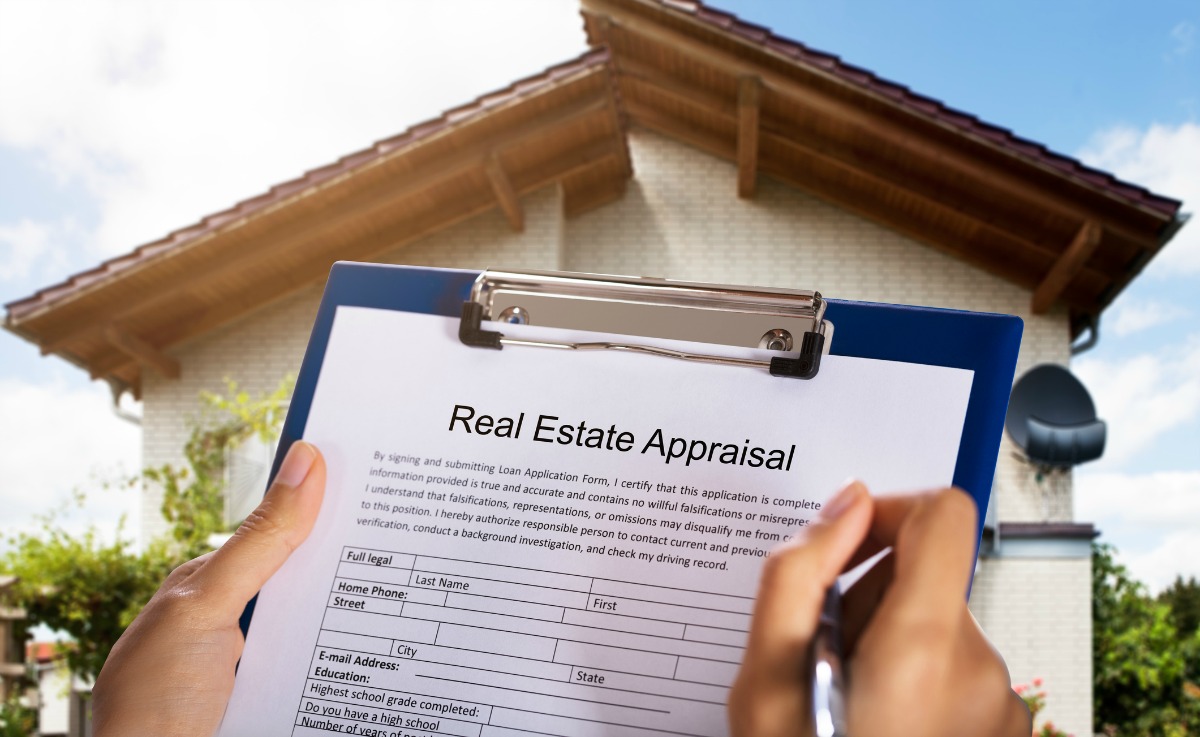
If the buyer is financing the purchase with a mortgage, their lender may require certain issues to be addressed before approving the loan.

Common examples include:

  • Roof damage
  • Safety hazards
  • Structural concerns
  • Missing handrails or exposed wiring

This means that even if the home is sold “as is,” certain repairs may still be required for the transaction to move forward.


5. The Home May Sit Longer on the Market
https://help.flexmls.com/en/image/uuid-4e166d3a-cb8b-631e-c0e8-b52971edec8d.png


Homes listed “as is” sometimes stay on the market longer because buyers hesitate when they believe significant repairs are required.

When a property sits on the market for an extended period, buyers may start wondering:

  • “What’s wrong with the house?”
  • “Why hasn’t it sold yet?”

This perception can lead to price reductions and weaker offers over time.


6. Small Repairs Often Produce Big Returns
https://media-production.lp-cdn.com/cdn-cgi/image/format%3Dauto%2Cquality%3D85/https%3A//media-production.lp-cdn.com/media/guxybzqmiljy0oxov8d4

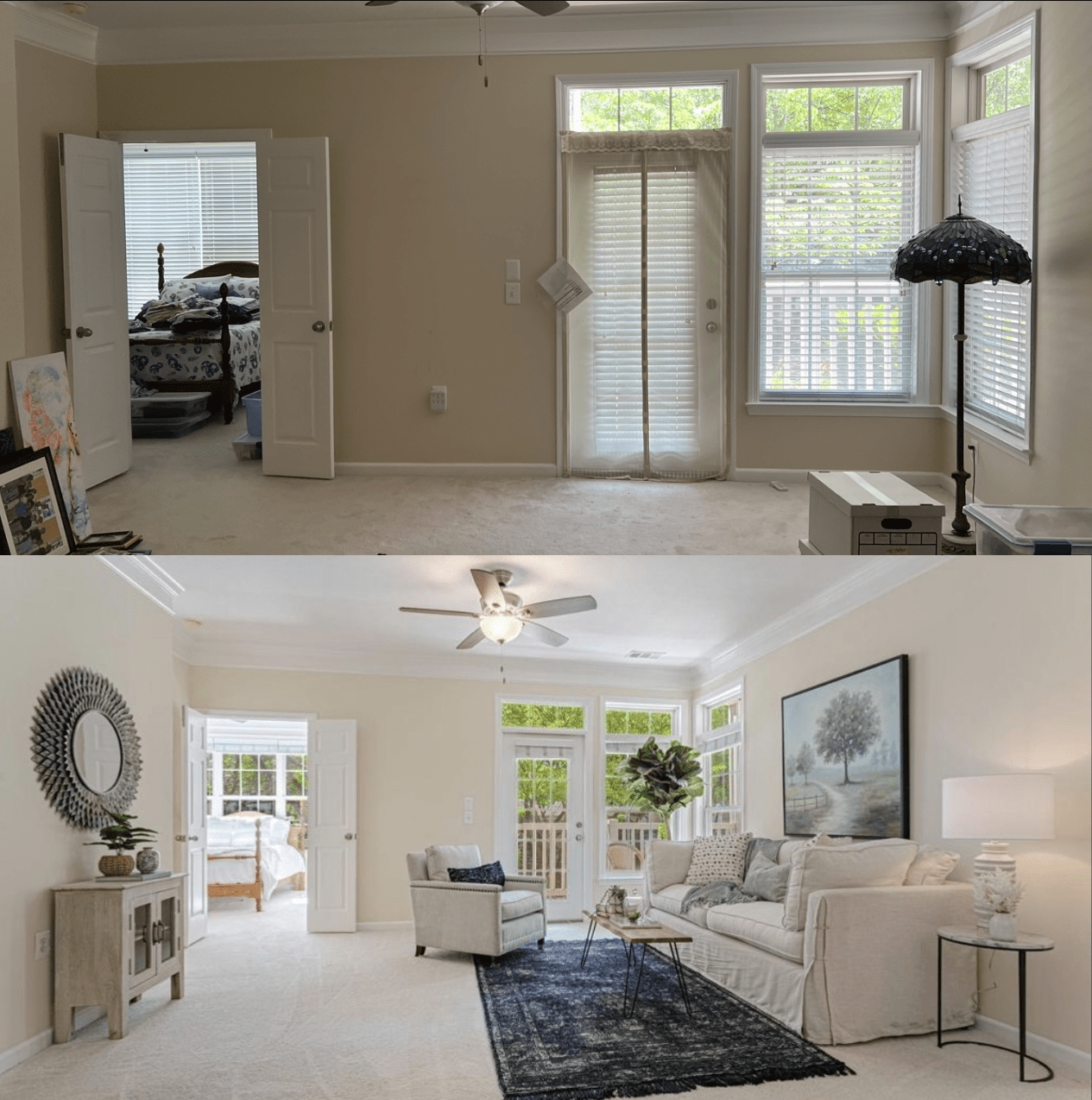
Many sellers are surprised to learn that minor improvements can significantly increase the value of their home.

Simple updates such as:

  • Fresh paint
  • Landscaping improvements
  • Updated lighting
  • Minor kitchen upgrades
  • Professional staging

can dramatically improve how buyers perceive the home and lead to stronger offers.


When Selling “As Is” Makes Sense

There are situations where selling “as is” may still be the right decision, such as:

  • Estate sales
  • Major structural repair situations
  • home renovations is required
  • Investment properties
  • Sellers who need to move quickly

However, even in these cases, it’s often beneficial to understand what the home might sell for with and without improvements.


The Best First Step Before Selling

Before deciding whether to sell your home “as is,” it’s helpful to understand your property’s current market value and what buyers are willing to pay in today’s market.

You can start by getting a free St. Louis home value estimate here:

👉 https://www.4salestlouis.com/St-Louis-home-valuation/

Knowing your home’s value and the potential return on improvements can help you decide the best strategy to maximize your sale price.


Home Sale Preparation, Maximizing Home Price, Real Estate Market

7 Signs it Might Be Time to Sell Your Home

If you’ve lived in your home for several years, you may have wondered:

“Should I sell my house now, or wait?”

For many homeowners in St. Louis, Sunset Hills, Kirkwood, Webster Groves, Crestwood, and the surrounding areas, the decision to sell often comes down to lifestyle changes, equity growth, or market opportunities.

https://lirp.cdn-website.com/be72bee7/dms3rep/multi/opt/old-couple-1200x837-1-1024x714-640w.jpg

If you’ve been thinking about moving, here are seven common signs it might be time to sell your St. Louis home.


1. Your Home No Longer Fits Your Needs

https://cdn.mos.cms.futurecdn.net/Rb6hL7jfznDsvxVzDqj3ZB.jpg

One of the most common reasons homeowners sell is simply that their housing needs have changed.

You may be:

  • Outgrowing your current home
  • Downsizing after children move out
  • Needing space for a home office
  • Looking for a different school district or neighborhood

Many St. Louis homeowners reach a point where their home no longer fits their current lifestyle.

If you’re curious what your property might sell for in today’s market, you can start by getting a free home value estimate here:
👉 https://www.4salestlouis.com/St-Louis-home-valuation/


2. You Have Built Significant Equity

https://images.openai.com/static-rsc-3/G60YuJY72AKb4NkhPxqZHQ9URQtStW5OGL_TqRLu7rqPCFE9hwXUMlbrCJAHj7314XFZS4lvgcACmoOp6mAg4m1FTNv9GJsKX5iMJ3Id508?purpose=fullsize&v=1

4

https://www.zaisgroup.com/news/unlocking-equity/chart-2-opt.jpg

Over the past several years, many St. Louis homeowners have built substantial equity as property values have risen.

That equity can potentially be used to:

  • Purchase your next home
  • Upgrade to a larger property
  • Downsize and reduce expenses
  • Invest or build savings

While building equity may still be a good return, if you’re in a larger home than you need, other costs like insurance, taxes, and maintenance costs could be more affordable in a smaller home. Every financial consultant will say, diversification and re-balancing your assets could also improve your situation. Even keeping your money in a different property and renting it could build more equity and improve your overall profit.

If you’re wondering how much equity you’ve built, you can check your St. Louis home value here:
👉 https://www.4salestlouis.com/St-Louis-home-valuation/


3. Maintenance Is Becoming Too Much

https://images.openai.com/static-rsc-3/iBZrp7Q_g0OY0HIrF2NfuQdOZlHQAigJCoF2Y8RCGjv2uG1B9MwKPR40Pa7Rz7CupM2zCLBRvMrqThwWVSAdaiHDo4QjoVLeUhjf8FmuWcM?purpose=fullsize&v=1

Homeownership comes with ongoing maintenance, and sometimes the repairs start to add up.

Many homeowners begin thinking about selling when they want:

  • A newer home
  • Less yard work and maintenance
  • A condo or townhome lifestyle
  • Fewer repair projects

Selling a home can sometimes be the better alternative to investing in major renovations.


4. Home Prices in Your Area Have Increased

If homes in your neighborhood are selling quickly and prices have increased, it may be a good opportunity to take advantage of that appreciation.

In many parts of the St. Louis metro area, demand from buyers continues to remain strong, particularly for well-maintained homes in desirable neighborhoods.

To see what your home might sell for today, you can request a free St. Louis home valuation here:
👉 https://www.4salestlouis.com/St-Louis-home-valuation/


5. You Want a Change of Location

https://cdn.apartmenttherapy.info/image/upload/v1657293574/at/real-estate/moving-truck.jpg

4

Sometimes the decision to sell comes from a desire for a new location.

You might be considering:

  • Moving closer to work
  • Relocating within the St. Louis area
  • Living closer to family
  • Moving to a different school district
  • Wanting a different ‘vibe’

Selling your home can help open the door to new opportunities and a different lifestyle.


6. Your Housing Costs No Longer Make Sense

https://images.openai.com/static-rsc-3/5vVnDsYhJI80y1Em4WRgajA7B9V4YR3yDjkNGWZO_NFOd0YM9IUfDtY69PL9lM1_8AaDvQ1PejmZAY7a_j_8fE-BrOIjxj_npUYuyoOq-IE?purpose=fullsize&v=1

Over time, housing costs can change. Some homeowners reach a point where their current home no longer fits their financial goals.

For example:

  • Property taxes may have increased
  • Insurance costs may have risen
  • You may want to lower your monthly expenses

Selling and moving to a home that better fits your budget can provide greater financial flexibility.


7. You’ve Been Thinking About Selling for a While

Sometimes the biggest sign that it might be time to sell is simply that the thought keeps coming up.

You may find yourself:

  • Watching homes sell in your neighborhood
  • Browsing listings online
  • Wondering how much your home is worth
  • Thinking about your next move
  • You may find yourself:
  • Watching homes sell in your neighborhood
  • Browsing listings online
  • Wondering how much your home is worth
  • Thinking about your next move

If that’s the case, the best first step is simply to understand your home’s current value and market conditions.

You can get started by checking your St. Louis home value here:
👉 https://www.4salestlouis.com/St-Louis-home-valuation/


Thinking About Selling Your St. Louis Home?

Every homeowner’s situation is different, and the best time to sell depends on your goals, timeline, and the current market.

If you’re curious about your options, the first step is learning what your home might sell for in today’s market.

👉 Find Out What Your St. Louis Home Is Worth:
https://www.4salestlouis.com/St-Louis-home-valuation/

There’s no obligation — just helpful information so you can make the best decision for your situation.

Home Sale Preparation

Thinking of Moving in 2026? Smart Things to Do Now (Before the Spring Rush)

The holidays are a natural time to reflect — on family, routines, and where life is headed next. For many homeowners, that reflection quietly turns into a question:

“Will this house still work for us next year?”

If you’re even thinking about a move in 2026, there are a few smart, low-pressure steps you can take now that can make the entire process smoother, less stressful, and often more profitable later on.

Here’s how to set yourself up for success — without rushing or committing to anything just yet.


1. Get Clear on Why You Might Move

Before you think about listings, prices, or interest rates, start with the real driver behind a move.

Common reasons we hear from St. Louis homeowners:

  • Needing more (or less) space
  • Changes in family dynamics
  • Desire for a different school district or neighborhood
  • Maintenance becoming too much
  • Wanting a lifestyle change, not just a new address

Understanding your why helps guide better decisions later — including timing, location, and budget.


2. Talk With an Expert Before You “Need” One

The best real estate advice often happens before anyone is ready to move. Highly dependent upon current circumstances (own existing home, buying bigger, downsizing, 1st time buyer, etc.)

A quick, informational conversation can help you:

  • Evaluate local market and how current home compares with others
  • Look at easy improvements and maintenance for existing home
  • Collaborate on a timeline that fits your life
  • What improvements actually matter (and which don’t)
  • Avoid common mistakes we see every year

…can be incredibly empowering. Even a casual conversation or valuation now gives you clarity — not pressure.

👉 Bonus: Knowing your equity early helps with planning for down payments, moving costs, or renovations in your next home.

No pressure. No obligation. Just clarity.


3. Declutter During the Holidays (Without Calling It “Prepping”)

The holidays naturally bring moments of sorting, donating, and organizing — and that’s a gift.

If a move is on the horizon:

  • Start with closets, basements, and storage areas
  • Let go of items you don’t want to move again
  • Make mental notes of what no longer fits your lifestyle

You’ll thank yourself later — and your future self will move faster.


4. Have an Early, No-Stress Lender Conversation

Even if buying is a “maybe,” it helps to know:

  • What price range is comfortable
  • How interest rates affect monthly payments
  • What small credit or financial tweaks could help before 2026

Early conversations = more options later.

This isn’t about applying — it’s about planning.


5. Understand the Rhythm of the 2026 Market

Real estate doesn’t start in spring — it builds toward spring.

Homeowners who plan early often:

  • Sell with less stress
  • Avoid rushed decisions
  • Beat the competition to their next home
  • Take advantage of quieter, more strategic timing

January and February are when serious buyers and sellers begin moving — not thinking.


Thinking About Moving in 2026? Start With a Plan — Not a Rush

You don’t need all the answers today.

But taking a few thoughtful steps now can turn “someday” into a confident, well-timed move when the moment is right.

If you’d like a low-key conversation about your options, your home’s value, or what a 2026 move could look like, we’re always happy to help — even if you’re just gathering information.

Planning beats panicking. Every time.


For help finding the right listing agent, visit us online and set up an interview!


St Louis real estate is our specialty! 
If you want to net the most money when you sell, anywhere in the St Louis, MO area, call us for a no obligation assessment! We work throughout the metro area, especially in Sunset Hills
Crestwood,  St Louis CitySt Louis CountyBallwinChesterfieldKirkwoodWebster GrovesSt Charles,or one of the other areas we serve, simply click the “How-To Find my listing agent” link at the top or bottom of this page to begin the selling process nowBuying and selling, check out our home buyer blog or home buying page!

Maximizing Home Price

Looking to Profit from Selling your Home?

The Best Time To Sell Your House Is When Others Aren’t Selling

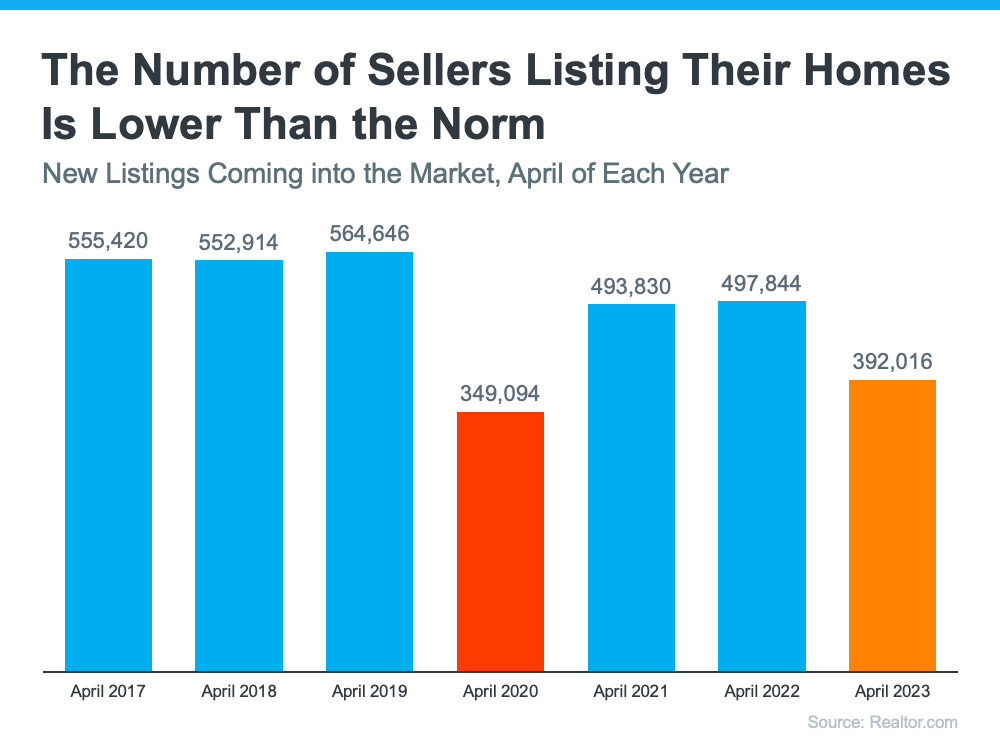
If you’re thinking about selling your house, you should know the number of homes for sale right now is low. That’s because, this season, there are fewer sellers listing their houses for sale than the norm.

Looking back at every April since 2017, the only year when fewer sellers listed their homes was in April 2020, when the pandemic hit and stalled the housing market (shown in red in the graph below). In more typical years, roughly 500,000 sellers add their homes to the market in April. This year, we saw fewer than 400,000 sellers entering the market in April (see graph below):

While there are a number of factors contributing to this trend, one thing keeping inventory low right now is that some homeowners are reluctant to move when the mortgage rate they have on their current house is lower than the one they could get today on their next house. It’s called rate lock.

As a recent survey from Realtor.com explains, 56% of people who are planning to sell in the next 12 months say they’re waiting for rates to come down.

While this wait-and-see approach is right for some sellers, it also creates an opening for more eager sellers to jump in now.

If your current house truly doesn’t fit your needs anymore and you’re ready to move, don’t miss this chance to stand out. When fewer sellers are putting their homes up for sale, buyers will have fewer options, so you set yourself up to get the most eyes possible on your house. That’s why your house could see multiple offers as buyers compete over the limited supply of homes for sale – especially if you price it right.

As Lawrence Yun, Chief Economist at the National Association of Realtors (NAR), says:

“Inventory levels are still at historic lows . . . Consequently, multiple offers are returning on a good number of properties.”

Bottom Line

If you’re ready to sell now, beat the competition before it comes onto the market. If you do, your house should stand out and could get multiple offers. Let’s connect to get you market ready.

Design on the dime, Home Improvement, Home Sale Preparation, Home Staging, Market Shifts, Maximizing Home Price, Real Estate Market

5 Tips for Selling HOMES in a SHIFTING MARKET

5 Ways to SHIFT your Home Selling Practice

There’s no doubt that the ever shifting real estate market is in a downward shift from being a seller’s market, to being a more neutral seller’s market. Thank God! Any experienced real estate professional can share stories of the insanity we’ve seen in the past 3 years. What once was a problem for buyer’s in some of the hottest areas in St. Louis suddenly became the norm throughout the St. Louis area.

So despite all the fear mongering about real estate, we’re still in a housing shortage, and home ownership is still more affordable than buying. Seller’s have nothing to fear IF they go about selling smartly. The problem with that is that most seller’s don’t understand how to sell smartly.

1. HIRE an Experienced PROFESSIONAL

Hire a Realtor based on their experience, skills and abilities. Conversely, we hear this type of logic all the time: “we knew our sisters’ friend was a Realtor so we just used her.” We call that ‘Gifting the job.’ If a human resources directors used the same logic when they reported to the company president, they’d be fired.

Confusion about how to hire a professional stems from people thinking all Realtors are alike, and not knowing how to identify between experienced professionals. Most Realtors work part-time and many provide limited service and spend less money on things like advertising and less time on things like contacting agents and buyers about your property. Seller should research and look for evidence of a full time, experienced professional. Christopher Reichert, CEO of Stifel Bank put it this way, “now, more than ever, your clients need the guidance of an experienced professional (Realtor).”

Bottom line: make a Realtor earn your trust & the opportunity! Don’t gift your listing!

2. Benefiting from Wisdom

Now that you’ve hired an experienced professional, it helps to use their experience and knowledge of real estate for your benefit. I’ve found it distubingly amusing when someone hires a Realtor to guide them, but want’s to argue about or disregard the guidance without exploring the logistics. Obviously the seller is always in charge regarding what they want to do. Sellers’ should do what they think is best, but before a suggestion is ruled out, find out the cost / benefit and why a professional is suggesting it. Ask questions! An experienced Realtor will be able to share experience and explain how their ideas will impact your sale. Things that seem costly, frivoulous, and unnecessary could help your home sell for more. There also could be options that make things easier for you.

Bottom Line: Use their experience to your benefit.

3. Prepare for a Target Buyer

The ultimate goal for home sellers’ is to get the most money. Experienced Realtors can usually determine the type of person a home would be appealing to (target buyer), and what is needed to prepare the home for that buyer.

In the past few years, younger buyers in the market have been paying more than other buyers, and they like homes move-in ready, walls painted with modern colors, and staged! Staging is the placement of furniture and decor with appropriate items so your home looks better. Staged homes can be done by a professional stager, who is usually and interior decorator. It cost money, but always pays off. Staged homes look better, especially in the pictures a listing agent uses to attract buyers online. Seller’s sometimes balk, and its usually because they don’t want to spend the money, they don’t see the return on investment, or they want the home the style THEY like it. Sometimes older people have homes that look like an old persons home, and don’t understand that some paint ,new fixtures and staging could transform it to a target buyer’s ideal home!

Often times stagers don’t require any money up front, but at closing. Disregarding the ideal home buyer means less $$ for the seller and more days on market for your home.  

Bottom Line: Make the home attractive to buyers, not yourself!


4. Price AT Market Value

As the market shifts, homeowners looking to sell must realize that they are competing against other listings more than they were in the past. We’ve found that, with the advent of the internet, home buyers have more information at their finger tips than they did 30 years ago when it was more common to list high, then reduce as needed. Buyer’s are aware of things like Days on Market (DOM) than they were, and have access to other homes and their photos. Over pricing a home means that home buyers that look at your home won’t like it. They’ll find something that’s a better value. Buyer’s that like your home won’t look at it because its overpriced or outside of their price range. (old Realtor adage: looker’s won’t like, and liker’s won’t look). Additionally, the best price is almost always paid when a listing is new. Think of bannanas, after a few weeks interest is less and the price often reflects that.

In the world of real estate, the value of a home is not established by the seller, listing agent or even appraiser; those are all estimates. The actual value is determined by how much a buyer is willing to pay. The buyer determines the price. Finding the right price is something a Realtor is most skilled at, but even a Realtor can’t know for sure how the buyer’s in the market today will respond. Despite the shift, multiple offers are still happening and buyers pay more, but you HAVE to price it right!

Bottom Line: Conservative pricing means more buyers sooner!

5. Fix it First!

Homeowners often say things like, “I want to sell it ‘as-is’, then the buyer can do with it what they want.”

Putting off home repairs in hopes that they aren’t discovered can backfire. So can trying to sell “as is”. An experienced Realtor is more likely to bring a buyer, and they are likely to recognize the need for repairs on broken or badly worn items. Inspectors occasionally scare buyers when they encounter required repairs. Buyers see things and wonder if the home will be a money pit. As any experienced Realtor, and they have lots of stories about buyers walking away, not making an offer, and contractors charging more for urgent repairs that take place when the home is under contract. Sometimes a pre-inspection is recommended.

Updates should also be done so that the first buyers first impression is favorable. When sellers take the ‘wait and see’ approach, the listing might already benefit from the repair AND a price drop.

Bottom Line: Plan for success, not failure!

True wisdom comes from experiences. Experienced Realtors that sell homes every day know what will make sellers the most money and are hired to benefit you the most! The market is ever changing, which means buyers wants, needs, and expectiations are different than they were when you bought, even if it was last year! People working in the field keep up with trends and share them for the sellers benefit.

For help finding the right listing agent, visit us online and set up an interview!


St Louis real estate is our specialty! 
If you want to net the most money when you sell, anywhere in the St Louis, MO area, call us for a no obligation assessment! We work throughout the metro area, especially in Sunset Hills
, Crestwood,  St Louis CitySt Louis CountyBallwinChesterfieldKirkwoodWebster Groves, St Charles,or one of the other areas we serve, simply click the “How-To Find my listing agent” link at the top or bottom of this page to begin the selling process now. Buying and selling, check out our home buyer blog or home buying page!

Real Estate Market

State of (buyer) Depression

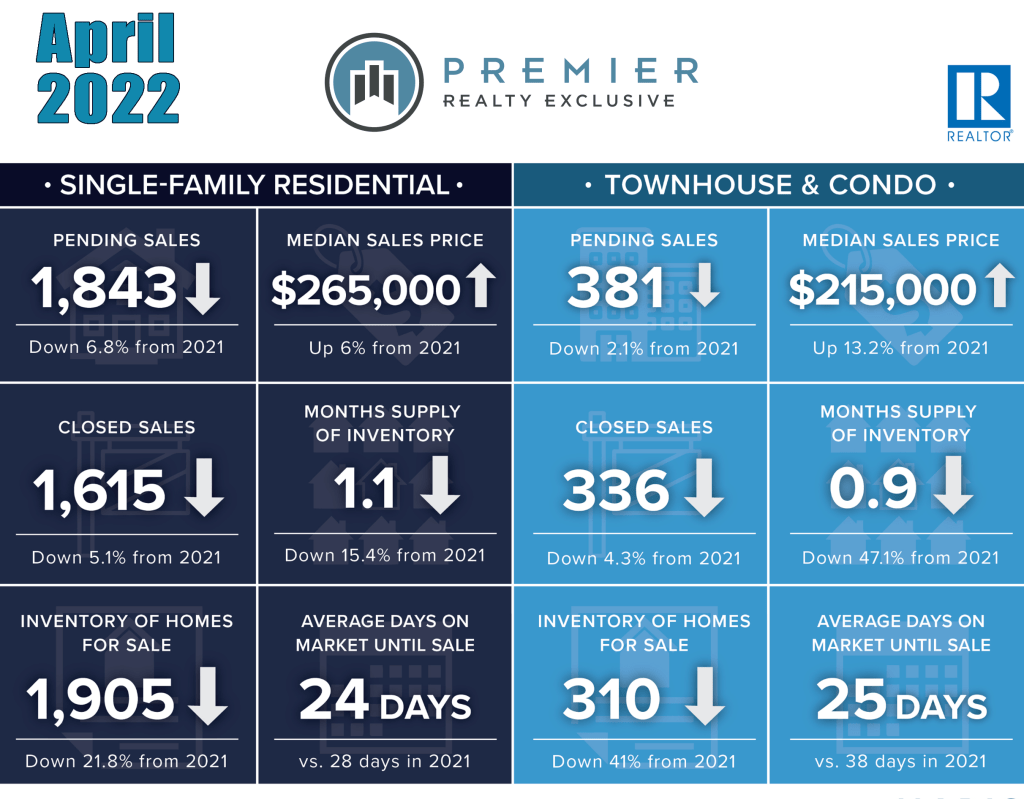
April 2022 Market Summary

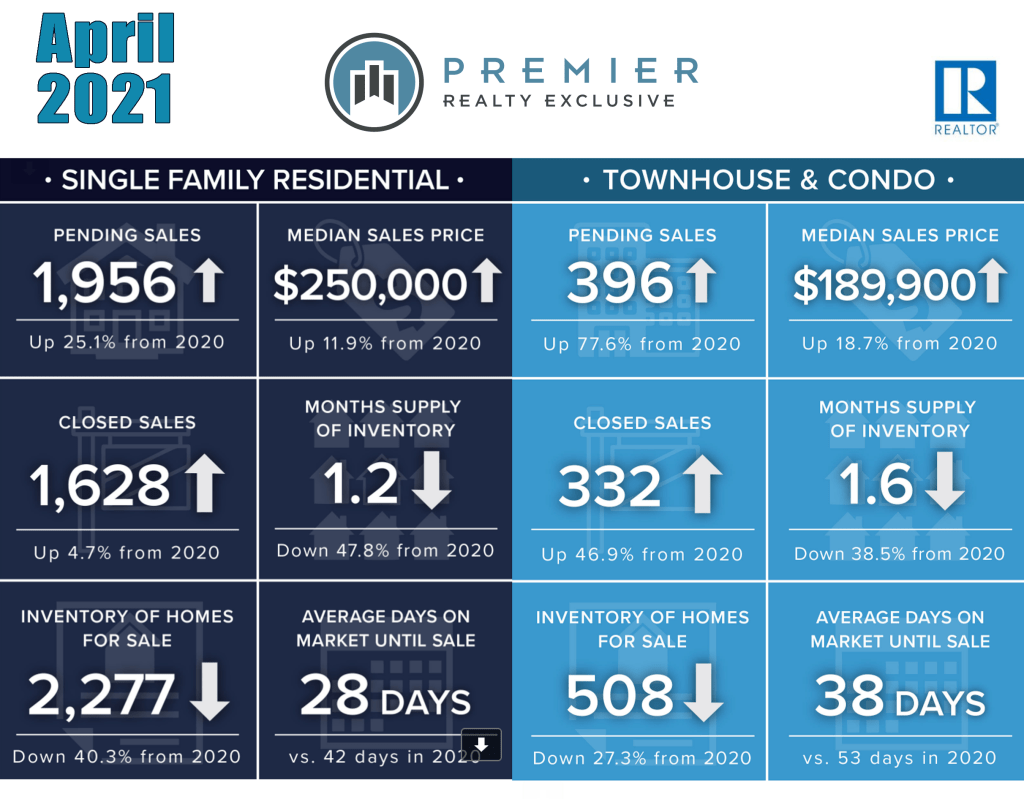
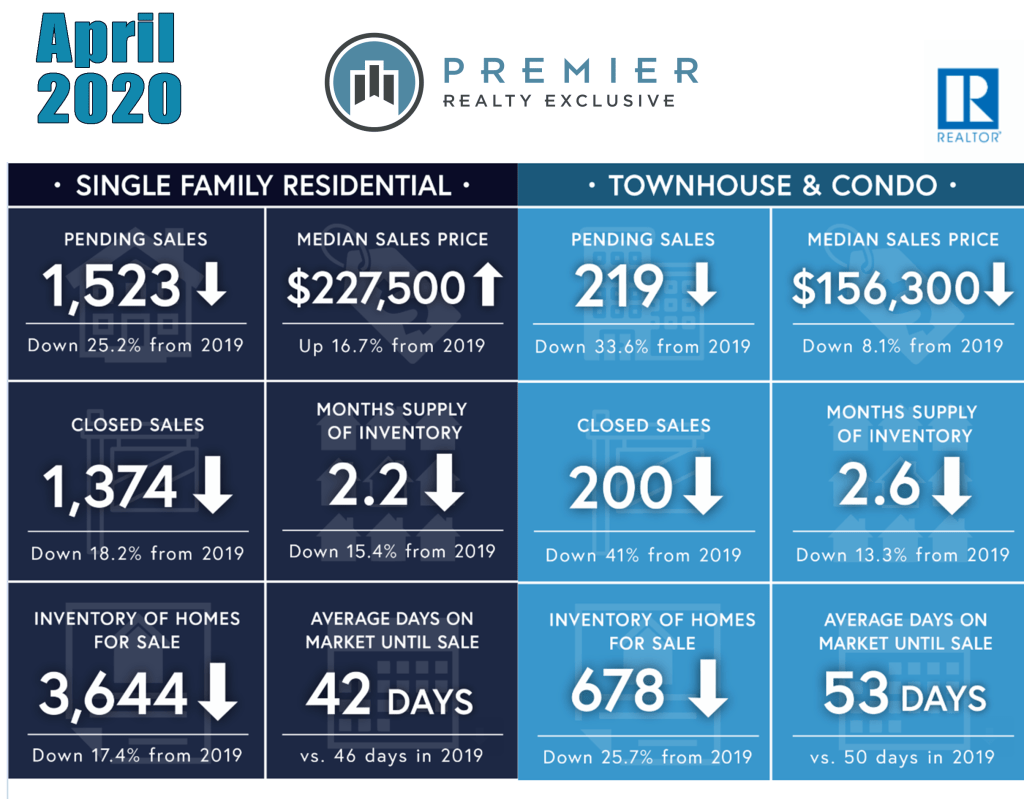
To understand supply vs. demand in the housing market, the important number to remember is 6. That’s the number of months’ supply of available homes on the market. That’s what we call equilibrium. Back in 2020, we were looking at a 2-3 month supply. We were in a housing shortage then, but its getting worse each year.

In looking at the April 2022 Market Report for St. Louis City & County, the need to see April 2021 and April 2020 reports was clear.

The numbers are telling.

  1. Inventory continues to drop
  2. Homes are selling faster.
  3. Prices are getting higher.

We could go back further and the 2019 numbers (which are partially available at the bottom of 2020’s summary), but the trend we’re seeing started around 2014.

This year, we have seen an increase in the homes available in May, but it will take even more homes hitting the market to satisfy the need for homes. With interest rates rising, it’s likely that home values will stop escalating as much as they have been, but its clear that demand for homes will continue to keep sales and prices up!

Design on the dime, Home Improvement, Home Sale Preparation, Home Staging, Maximizing Home Price

Let The BUYER do what THEY want!

Once Upon a Time…..

Back in the day, buying a house was different.

Prospective buyers saved, and often times purchased a ‘starter home.’ Interest rates were high. Internet was limited to colleges and there was no worldwide web. Homes were to live in, and there was only one home improvement show; This Old House. Styles were all over the board. We couldn’t rely on Pinterest to find and save our favorite styles. Hardware stores were just that. There was no Home Depot or Lowe’s, but buying a ‘fixer upper’ and ‘sweat equity’ were common expressions.

The “AS-IS” Sale Dilemma

Today things are different.

The generation buying their first home has been waiting. The grew up in the GREAT RECESSION and watched as older people saw their home values slide down in value. Living with parental units and renting was the norm. Realtor conferences had training sessions called, “What’s up with Millenials?” They weren’t buying homes, then, but today, they are.

Today’s home buyer has a mindset of ‘move-in ready.’ They value their time differently and certainly don’t want to become a slave to a drawn-out home improvement project. They’re professional, and know their worth. They value quality and style. They’re willing to pay more for a home that’s renovated and ready; designed for their tastes and staged to sell. “As Is” buyers that aren’t investors or rehabbers are few, and far between.

Some Sellers Do, Some Don’t

Some home seller’s get it. Some don’t. Baby-boomers and older generations, in many cases prepare homes based on what was important to them. This type of seller struggles to understand why they should invest money in homes they won’t be living in. We hear, “If the buyer wants that, they can do that themselves”. What they don’t get, is that most buyer’s aren’t going to.

Price Differential

Rehabbers want to make a profit. They want to sell a home at or above market value. They have to spend money to do that. The formula looks like this:

SALE PRICE=purchase price + remodel cost + permits/legal/sale costs + PROFIT

On a typical $250,000 home sale, a remodeler typically wants profit to be at least 15-20% of the sale, so they target for 25-30% of the projected sale price. With materials and labor costs rising, this places a downward pressure on home prices, even though prices overall have been rising.

The bottom line is just this, if you want to sell “as is,” you probably have to sell for less.

Our Philosophy….

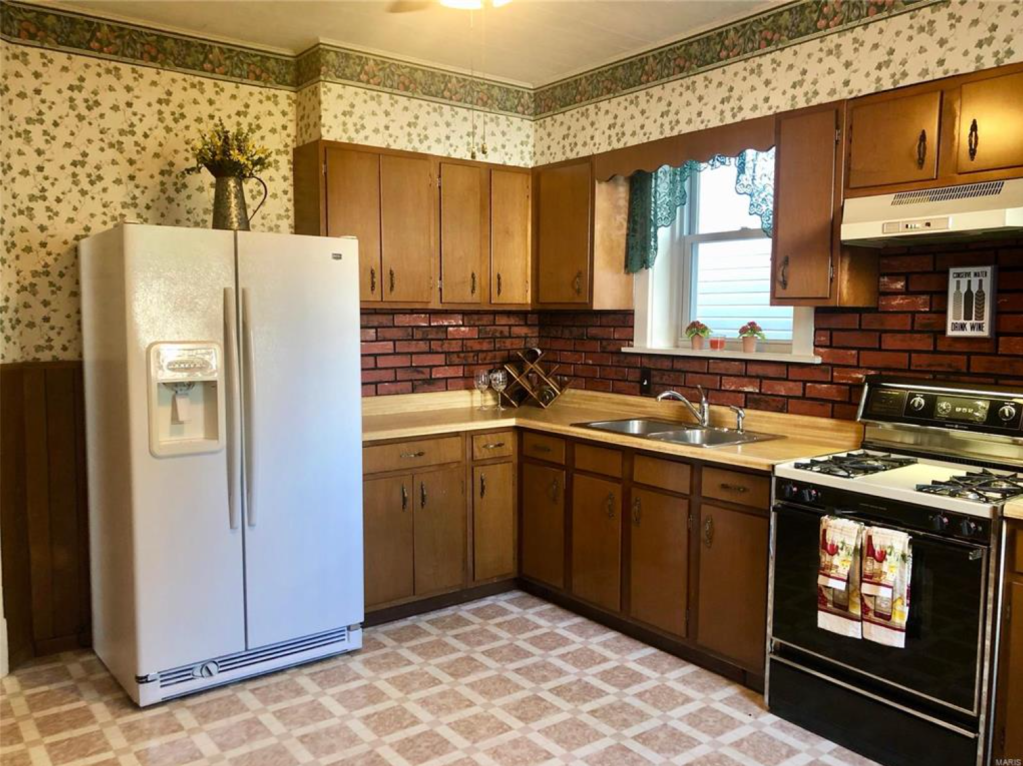
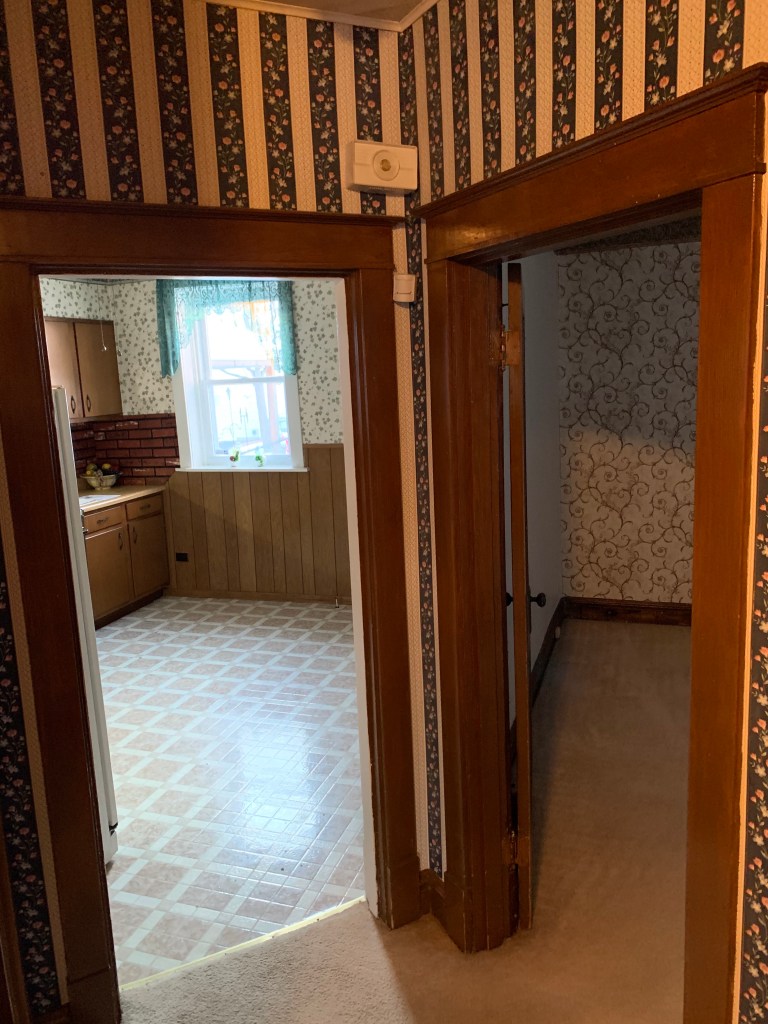
We don’t have a problem with rehabbers, but we like our client to make as much money as possible. The sellers I met with in late 2019 listed their parents home and it sat on the market for 90 days with no purchase offers. Their Realtor met, snapped some pictures with a smart phone, and it was on the market. They had worked hard to clean it up, and remove belongings. It was clean and empty. Looking from the hallway, I counted 8 different conflicting patterns: floral wall paper, square pastel vinyl flooring, 1970’s wood paneling, faux red-brick backsplash, more different floral wall paper, and new floral border in the kitchen, plus beige carpet and a connected vine type of wallpaper in the bedroom. The ceilngs looked & smelled like a smoker lived there.

We met and they said they’d done enough, and weren’t going to do any more. They were angry at their Realtor and my comfort level was at an all time low. The home was over $100,000 below our average sale price, and we didn’t need an unsalable listing. I shared our philosophy and work ethic and reviewed the sales in the area. Eventually, I asked, “have you ever worn plaid pants and a striped shirt?” then showed them a full color 8″x10″ picture from the hallway. A lightbulb came on, and a little trust was earned.

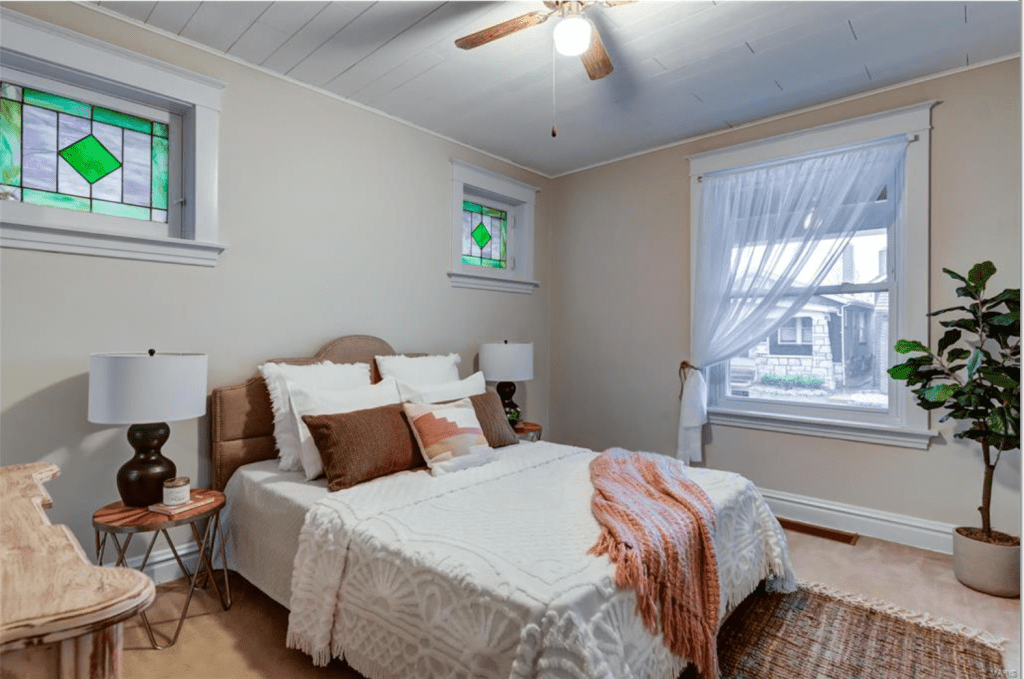
We worked with them for 3 months and brought in painters, an electrician for estimates. We went room by room and made recommendations. We kept the beige carpet, kept the pastel vinyl but had wallpaper removed and most everything painted some shade of grey. Had it staged and fixed the obvious problems. After a reasonable amount of preparation, the professional photographer did his work, and the home was put on the market.

The home was far from a complete renovation, but the market responded. Instead of 90 days with few showings, we had many showings and 3 offers. Instead of having to negotiate downwards after 90 long days painfully slow days, the home sold for 20% over list price in 3 days.

The seller’s had this to say:I am not sure even where to begin??  For starters, if I could shout their name from a mountain top I would!! My sisters and I had our childhood home for sale with another Realtor for 90 days and thankfully it was ONLY 90 days.  I personally have never sold a home before just, bought (twice). I really didn’t know what to expect being a seller but, soon was met with disappointment. As soon as the contract ended we made the call to Chris and Lisa Grus.  From the very first phone call we were WOWED.  They took the reigns and ran with it.  They know this business like no other.  They walk with you and hold your hand through every phase.   If I can share one piece of advice, it is LISTEN  to them and TRUST their knowledge and experience. They worked sooo unbelievably hard for us!  All days and hours.  Lisa called me, Christmas Eve at 4:00 to share some ideas she had for the house, I said, “girl it is Christmas Eve”!!  They literary did ALL the foot work for us.  They met with contractors, got estimates, and kept the process moving.  They are in constant contact with you.  If you have a question, text or call within the hour, most of the time minutes your in contact with them.  They held our hand until the very end.  All I know is I will never use any other Realtor.  The final result was the day the house went on the market we had a bidding war between 3 contracts.
We will be forever be grateful, not just doing what they do best but, also for caring for us like family.”

We’ve had hundreds of similar experiences, but this one stands out. The point isn’t to shout any names from the mountain top, but a couple points need to be made. If you’re wanting to sell & get TOP DOLLAR:

  • Hire a Realtor with lots of sales and good reviews.
  • Ask the question: “What do you do to sell a home?”
  • Ask the question: “What do you think will prevent my home from selling?”
  • Lastly, our happy home seller said it best:

“LISTEN  to them and TRUST their knowledge and experience.

Linda Y.

Uncategorized

Skilled Realtors are Skilled Pricing Analysts

Finding the right price for a home is a science!

I’ve been thinking….

Between the New Year, and last weeks snowpocalypse, a lot of day to day real estate work was frozen in its tracks; it forces me to think.

One thing that didn’t change was the steady stream of other people thinking about selling their homes, “When the weather is better.” In the process, I’ve spoken with a lot of people who’ve had less than stellar experiences with agents. We’ve heard stories from buyers and sellers about attempts to engage in real estate, but not having appropriate, experienced representation. There’s always a wide variety of issues that can come up, but my observation is that inability to accurately price a home is an area that can affect any client, whether buying or selling.

Pricing to Sell

Experienced professional Realtors know what happens when a home is overpriced.

• Serious buyers don’t look.

• “Looker’s won’t like.

• Agents that show are less experienced.

• Deals (in the event they happen) are more likely to fall apart.

Even if a skilled Realtor is involved, pricing can be less black and white and more grey. In any case, there should be an underlying strategy based upon the level of seller motivation and their concerns. When presented with a price range, a motivated seller typically chooses a lower price and is hoping for a quick sale. The less motivated seller may price the home higher, but if pricing is done correctly, the price range is small 3-5% usually, and the home should still sell.

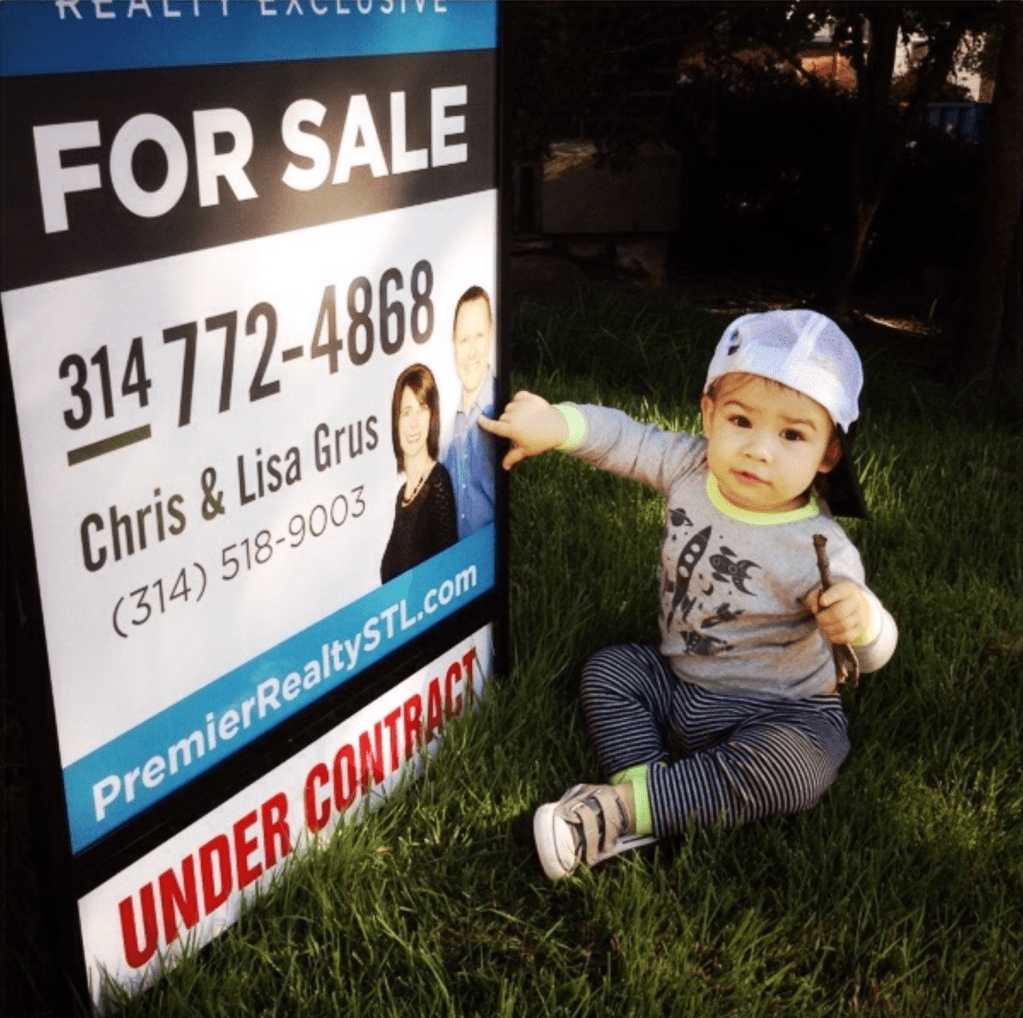
Note that baby is pointing to me, not my wife 😂 😂 😂

Understanding Markets

The unfortunate thing is that home sellers listen to the news. In any market, its important to understand that all real estate is local, and the actual market analysis of similar homes nearby(comparables) may not reflect the overall market that makes the news. Even if the market immediate area is reflective of the overall market, the condition of the property could affect (positively and more often, negatively) the market that the property is in. With years of experience and thousands of deals under our belt, we don’t have a hard time helping home sellers understand that the price of their home is based on area, condition, and what type of buyer is most likely to pull the trigger.

Stylish and move in ready– Attracts younger, motivated buyers that spend the most.

Dated, but still move in ready. — Attracts slightly older buyers willing to do work, but spend less.

Needs extensive rehabilitation– Attracts rehabbers and investors paying pennies on the dollar.

Less Is More…

In some markets, pricing “on the money” excites more buyers and instigates a bidding war. That seems to be extremely prevalent in today’s housing shortage. Getting left brain (analytical types) to understand this strategy can be a challenge. Public opinion sometimes misconstrues this idea by suggesting that offers above list indicate the home is under-priced. While that’s possible, the past year our aim was to price homes exactly where the comparable sales suggested the price should be.

Just like spending hideous amounts of money at a carnival to “win” some cheap stuffed animal or meaningless trinket, many home buyers’ desire to win takes over when they’re bidding on a property they want. They react on emotions. In 2021, we received more than one offer on 93.6% of our listings, and were able to elevate pricing and reduce seller contingencies. We regularly saw between 12-27% above list price. It was so crazy that in over half of the remaining listings, we were able to elevate the price above list.

The Scientific Method

My field of study in college was in science. What has surprised me in my real estate career is how much the skills learned in science classes are applied in real estate. In grade school, high school the scientific method taught leaves off peer-review and is often times broken down to 6 steps.

  • Ask a Question (like….’how much is it worth’)
  • read and analyze existing content (check out other estimates, starting with the county assessor).
  • develop a hypothesis (like come up with a price range)
  • experimentation (like put it on the market)
  • analyze the data (consider the days on market, sale price, number of offers relative to the market)
  • draw conclusions & communicate (determine the ‘ups and downs’ of the strategy and let the world know that YOU DID IT!

Whether they realize it or not, ALL SUCCESSFUL REALTORS DO THIS!

What the public usually doesn’t understand is that the average Realtor makes less than the poverty line. The conversations I’ve had with home buyers and home sellers really has me thinking about what separates successful Realtors from the rest, and there are many things; enough for another blog post.

Without a doubt, a major variable is accurate pricing.

Uncategorized

The Open House….

OPEN HOUSES: What’s in it for the seller?

Early in my career the answer was different. There was barely an internet, and no social media. A sign in the yard saying ‘open house’ was an opportunity for a listing agent to introduce their listing to the world, meet unrepresented buyers, and ‘nosey neighbors’. Home seller’s would ask, “Are open houses worth it?”

My reply was simple: Open Houses were just a tactic that Realtors had been using to meet unrepresented buyers and your neighbors. They weren’t necessary to sell the home. Despite being a user of the tactic, some home seller’s didn’t want to vacate on sundays and needed to know if it would hurt them to not allow an open house.

My…. how times have changed.

Since 2004, the real estate technology game has changed, and created a shift in the marketplace. Unlike years gone by, buyer’s know about new listings to the market quickly. Some home buyer’s claim to be addicted to home shopping and check for new listings several times a day. Today, a list of open houses can be found on various websites and social media platforms that buyer’s can access directly: including maps and property history. In seller’s markets like this year it’s more common that a buyer will look at a home at the open house, THEN call their Realtor. Other times they view the home with their agent and then double back with friends and family to spend more time taking it all in.

Seller’s Market Must

In the world of low inventory and multiple offers, our open houses have given us a strange benefit to meet the folks making offers, find out who their agents are, and help them understand what the seller’s want. Buyer’s come in asking questions about how they can win out against other buyers. It gives listing agents an opportunity to vet the buyer and find out who REALLY likes the property.

Uncategorized

STL Selling is about you (the seller)!

Selling a home appears easier now than ever before, but its still clear that hiring the right agent can make a HUGE DIFFERENCE in how the process goes, and what a seller ultimately gets for their home. Finding an experienced Realtor with a track record of success often times means a professional will go above and beyond the bare minimum level of service.
The level of confusion of a homeowner is inversely proportional to the length of time it takes that person to consult with a competent professional. Part of the problem is that home seller’s don’t always seek out a competent professional. The general public sometimes operates on the general assumption that anyone with a real estate license has the same skills.

confused-2681507_1920

The Game of Real Estate

The biggest problem for home seller’s is finding a competent professional. When it comes to real estate agents, we sound the same. We talk the same, have the same goals, want to help you the same way. Unfortunately, it’s mostly all talk.

When we had a stint with a big box brokerage, we saw firsthand how their major focus was teaching inexperienced agents how to sound experienced by using pre-written scripts, and encouraging dishonesty.

Classes on how to get listings didn’t even address the subject of how to successfully sell the listing. Subjects like staging, marketing, and negotiating were skipped in lieu of role playing / memorizing a script on how to win the listing through manipulation, wording and psychology. They taught individual agents to say they were a team or group (by saying that their building inspector, lender appraiser and insurance agent were all part of “the team”). In reality, they were just an individual.

All the tricks used made rookie agents seem like veterans and the big loser was the client that hired them. The traditional brokerage model where the brokerage is supported by successful closings was bypassed by making money by teaching classes, selling coaching, and recruiting more people into the business. Those that can’t hack it by themselves are scooped up into a team as buyer’s agents, to mislead the public again, by hiring a ‘top team’ to serve them, when in reality they’re just getting a beginner and/or part-timer in real estate.

Another part of the real estate game is what’s known as the limited service agency. These brokerages advertise themselves as ‘discount’, to make them seem generous. What they don’t advertise is how they pay out less money to buyer’s agents, and how they spend less money and do less work to generate successful sales. In some cases, they start collecting money upfront instead of getting paid when a sale successfully closes, so the need to sell the home becomes even less of a priority. Even when homes do sell, when an agent cuts corners to stay in line with commissions and expenses, home prices suffer!

How to Find an Expert

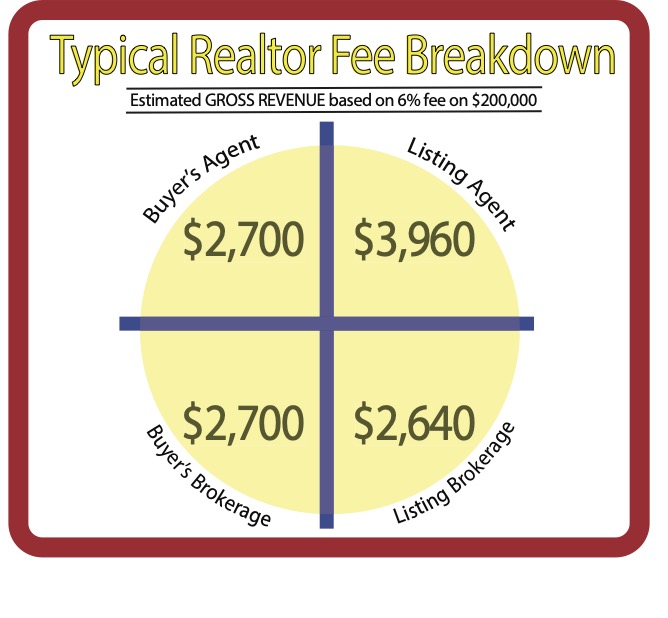
Finding someone skilled at home selling isn’t always easy. It involves math, and figuring out the variables. Successful agents typically sell at least $5,000,000 in home sale volume per year. A typical agent representing one ‘side’ would make half of the 6% commission, plus a small transaction fee. So 3% of $5,000,000 would be roughly $150,000 in revenue. Expenses and brokerage fees usually account for 20-50% of that amount, so the net pay may look more like $100,000, before tax and around $75,000 after taxes. On average, that looks like around 1.5 home sales per month. Unfortunately, most agents, regardless of how successful they appear, don’t do this much volume. That translates to mean that the majority of agents in the real estate field don’t have enough experience properly assist home seller’s prepare, list, negotiate and close on the sale of their home.

Finding an agent based on online reviews can be helpful, but in many cases, if they assist less than 15-20 transactions per year, they’re really not even full time Realtors. Sometimes people with minimal experience have glowing reviews, but if they only work with friends and family, they’re not reliable or honest reviews.

Finding an Expert Involves Questions

Talk to agents and ask questions. How many homes did they sell last year? Do they list homes, or just work with buyers? What makes them the ‘right choice’ to hire? Getting a feel for volume, location, specialties are details that help determine if an agent is worthwhile for your needs. Finding out what the agent does to promote your listing is crucial too. Do they hire professional photographers? What do they do to promote and sell? Do they help recommend simple improvements or value added features to attract more buyer’s or a higher price? Getting a good feel for the agents strategy, experience and background goes a long way to building a productive relationship and successful home sale.

Most professions require substantial education and training, and most professionals work full time in their trade. Getting a real estate license is largely teaching only the legal aspects of assisting clients and agency operations. The actual craft of selling homes, strategy, advertising and negotiations are not included in agent licensing classes. So basically, someone can be a licensed Realtor and know NOTHING about how to do the job. They can establish a relationship with a broker, and never attend a class or any form of training. Since “big box” brokerages are getting to be more and more a part of the industry, the old-fashioned brokerages that went to great lengths to train their agents are being abandoned for brokerages that charge lower fees and do little to nothing as required training. Supervision and training is almost non-existent in some cases, so it’s a dangerous proposition to hire an agent without proper evaluation.