
Home Sale Preparation

The Pitfalls of Selling Your Home “As Is”

Many homeowners consider selling their home “as is” when they don’t want to deal with repairs or updates before listing.

At first glance, selling “as is” sounds simple: list the home in its current condition and let the buyer handle everything after closing.

While this approach can work in certain situations, it often comes with significant drawbacks that many sellers don’t anticipate. Before deciding to sell your home “as is,” it’s important to understand the potential pitfalls.


1. You May Attract Fewer Buyers

https://ssl.cdn-redfin.com/photo/82/islphoto/348/genIslnoResize.7728348_0.webp
https://ssl.cdn-redfin.com/photo/226/mbphotov3/526/genMid.187526_0.jpg

When a property is listed “as is,” many buyers immediately assume the home has serious problems.

That perception can reduce the number of interested buyers and limit your pool primarily to:

  • Investors
  • House flippers
  • Buyers looking for deep discounts

Fewer interested buyers often means less competition and lower offers.


2. Buyers Expect a Discount

https://images.openai.com/static-rsc-3/3UUc61U7nooGRZKaKtfW481HJOVwJ5taKiM3EKdCqiuCl8sBb--InRw2QALKUZOfi-qY2UrElZ_G29vVHvXJKKOGNXQDZsI5CqPkYpBVZnc?purpose=fullsize&v=1

Most buyers assume that if a home is being sold “as is,” it should be priced significantly below market value.

Even if the home only needs minor improvements, the “as is” label often signals risk to buyers. As a result, they typically factor potential repair costs — and then add additional negotiation margin — when making an offer.


3. Inspection Negotiations Still Happen

https://images.openai.com/static-rsc-3/E6O_u_9Wn7SUq27ulKzfmVqdHS9Mvx3eXmDLuxKkJl5kQzcoY3KSiaBdiYWHb02Zf9kUqVqM2wpr0LTPD_5EKsUH9hNMPIHsvVfz6hXS_IQ?purpose=fullsize&v=1

Many sellers believe that selling “as is” means buyers cannot request repairs after the inspection.

In reality, buyers often will still negotiate.

If an inspection reveals issues with the roof, HVAC system, plumbing, or foundation, buyers may walk away unless concessions are made:

  • Price reductions
  • Repair credits
  • Contract termination

Even with an “as is” listing, negotiations often continue after inspections.


4. Lender Requirements Can Create Problems
https://images.ctfassets.net/bjlp9d7o6h1o/G2dlds38USPCBMI7jmFZ0/e21aad3d1cec32739690bf2a51cfa9fc/4f88f96b7f4670e4c228cab5ff4f128d3ff3caa9

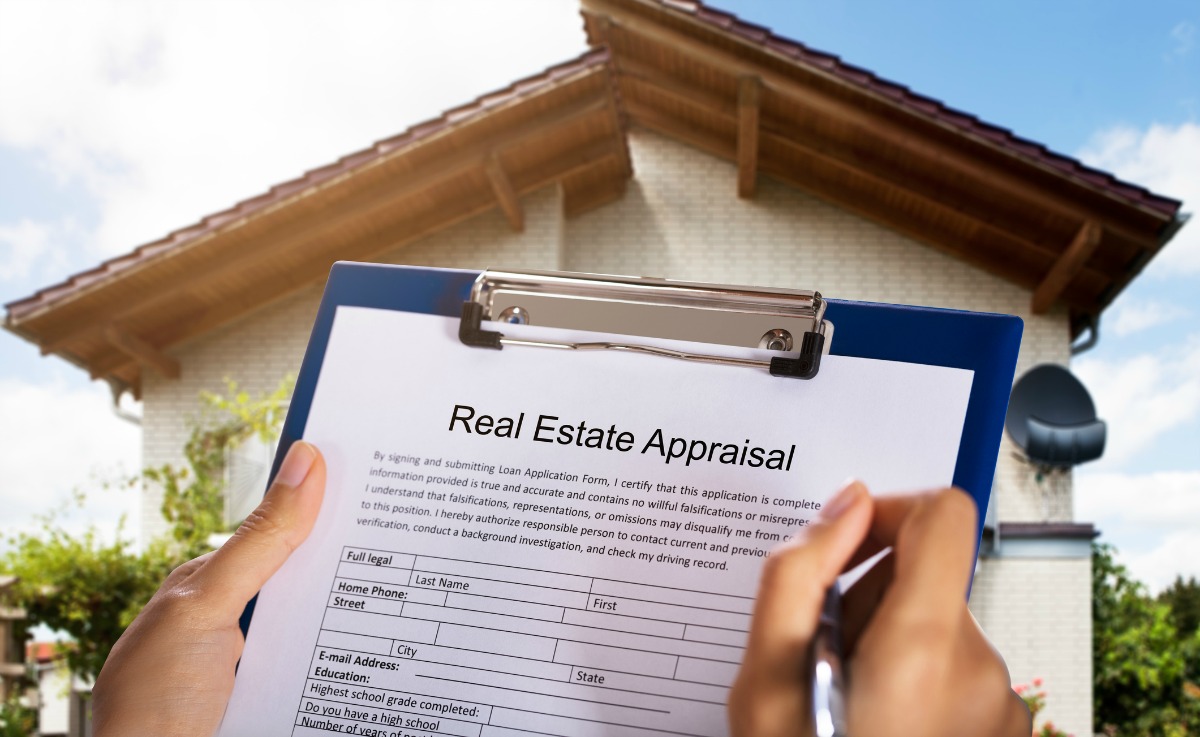
If the buyer is financing the purchase with a mortgage, their lender may require certain issues to be addressed before approving the loan.

Common examples include:

  • Roof damage
  • Safety hazards
  • Structural concerns
  • Missing handrails or exposed wiring

This means that even if the home is sold “as is,” certain repairs may still be required for the transaction to move forward.


5. The Home May Sit Longer on the Market
https://help.flexmls.com/en/image/uuid-4e166d3a-cb8b-631e-c0e8-b52971edec8d.png


Homes listed “as is” sometimes stay on the market longer because buyers hesitate when they believe significant repairs are required.

When a property sits on the market for an extended period, buyers may start wondering:

  • “What’s wrong with the house?”
  • “Why hasn’t it sold yet?”

This perception can lead to price reductions and weaker offers over time.


6. Small Repairs Often Produce Big Returns
https://media-production.lp-cdn.com/cdn-cgi/image/format%3Dauto%2Cquality%3D85/https%3A//media-production.lp-cdn.com/media/guxybzqmiljy0oxov8d4

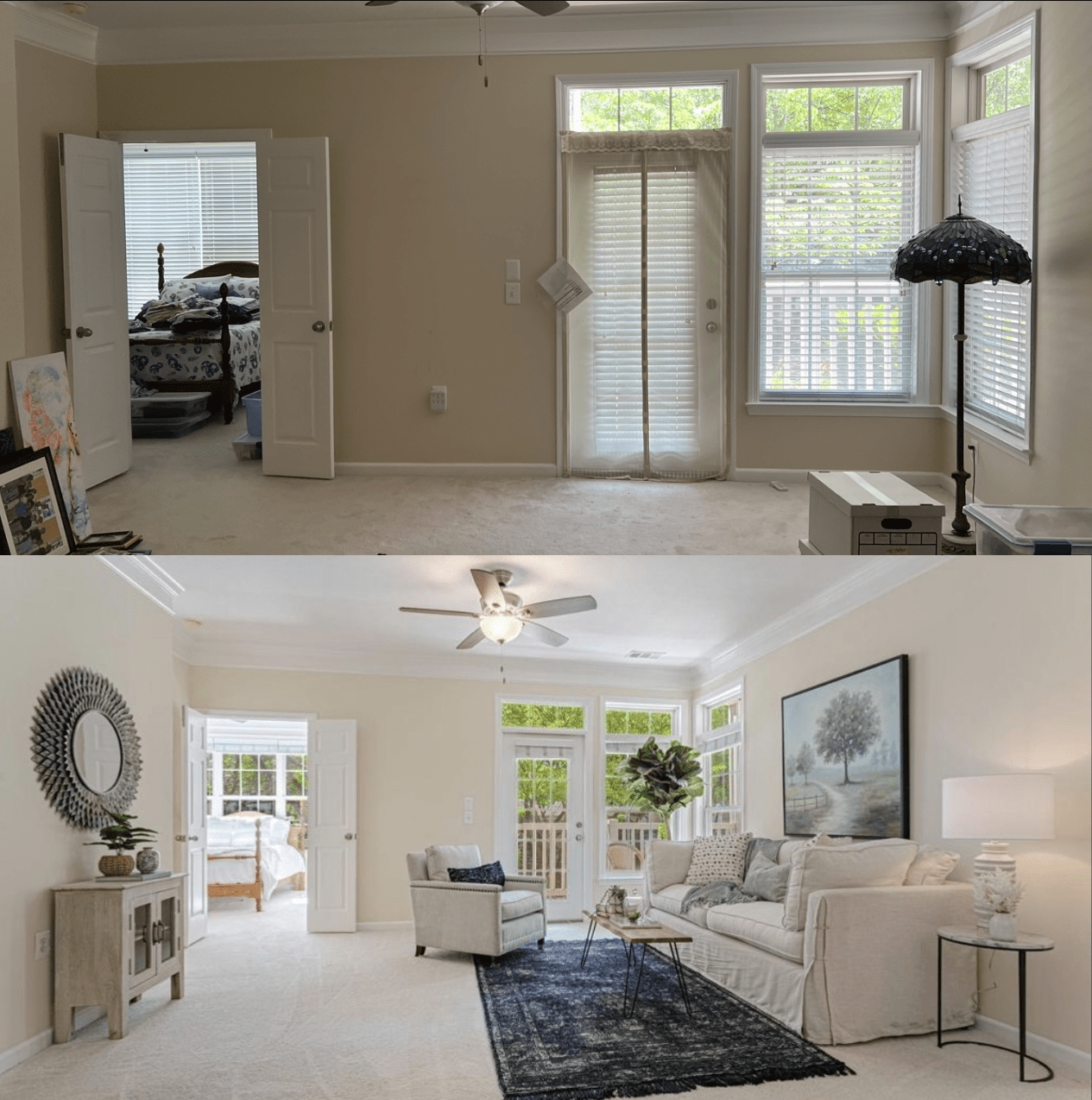
Many sellers are surprised to learn that minor improvements can significantly increase the value of their home.

Simple updates such as:

  • Fresh paint
  • Landscaping improvements
  • Updated lighting
  • Minor kitchen upgrades
  • Professional staging

can dramatically improve how buyers perceive the home and lead to stronger offers.


When Selling “As Is” Makes Sense

There are situations where selling “as is” may still be the right decision, such as:

  • Estate sales
  • Major structural repair situations
  • home renovations is required
  • Investment properties
  • Sellers who need to move quickly

However, even in these cases, it’s often beneficial to understand what the home might sell for with and without improvements.


The Best First Step Before Selling

Before deciding whether to sell your home “as is,” it’s helpful to understand your property’s current market value and what buyers are willing to pay in today’s market.

You can start by getting a free St. Louis home value estimate here:

👉 https://www.4salestlouis.com/St-Louis-home-valuation/

Knowing your home’s value and the potential return on improvements can help you decide the best strategy to maximize your sale price.


Home Sale Preparation

Thinking of Moving in 2026? Smart Things to Do Now (Before the Spring Rush)

The holidays are a natural time to reflect — on family, routines, and where life is headed next. For many homeowners, that reflection quietly turns into a question:

“Will this house still work for us next year?”

If you’re even thinking about a move in 2026, there are a few smart, low-pressure steps you can take now that can make the entire process smoother, less stressful, and often more profitable later on.

Here’s how to set yourself up for success — without rushing or committing to anything just yet.


1. Get Clear on Why You Might Move

Before you think about listings, prices, or interest rates, start with the real driver behind a move.

Common reasons we hear from St. Louis homeowners:

  • Needing more (or less) space
  • Changes in family dynamics
  • Desire for a different school district or neighborhood
  • Maintenance becoming too much
  • Wanting a lifestyle change, not just a new address

Understanding your why helps guide better decisions later — including timing, location, and budget.


2. Talk With an Expert Before You “Need” One

The best real estate advice often happens before anyone is ready to move. Highly dependent upon current circumstances (own existing home, buying bigger, downsizing, 1st time buyer, etc.)

A quick, informational conversation can help you:

  • Evaluate local market and how current home compares with others
  • Look at easy improvements and maintenance for existing home
  • Collaborate on a timeline that fits your life
  • What improvements actually matter (and which don’t)
  • Avoid common mistakes we see every year

…can be incredibly empowering. Even a casual conversation or valuation now gives you clarity — not pressure.

👉 Bonus: Knowing your equity early helps with planning for down payments, moving costs, or renovations in your next home.

No pressure. No obligation. Just clarity.


3. Declutter During the Holidays (Without Calling It “Prepping”)

The holidays naturally bring moments of sorting, donating, and organizing — and that’s a gift.

If a move is on the horizon:

  • Start with closets, basements, and storage areas
  • Let go of items you don’t want to move again
  • Make mental notes of what no longer fits your lifestyle

You’ll thank yourself later — and your future self will move faster.


4. Have an Early, No-Stress Lender Conversation

Even if buying is a “maybe,” it helps to know:

  • What price range is comfortable
  • How interest rates affect monthly payments
  • What small credit or financial tweaks could help before 2026

Early conversations = more options later.

This isn’t about applying — it’s about planning.


5. Understand the Rhythm of the 2026 Market

Real estate doesn’t start in spring — it builds toward spring.

Homeowners who plan early often:

  • Sell with less stress
  • Avoid rushed decisions
  • Beat the competition to their next home
  • Take advantage of quieter, more strategic timing

January and February are when serious buyers and sellers begin moving — not thinking.


Thinking About Moving in 2026? Start With a Plan — Not a Rush

You don’t need all the answers today.

But taking a few thoughtful steps now can turn “someday” into a confident, well-timed move when the moment is right.

If you’d like a low-key conversation about your options, your home’s value, or what a 2026 move could look like, we’re always happy to help — even if you’re just gathering information.

Planning beats panicking. Every time.


For help finding the right listing agent, visit us online and set up an interview!


St Louis real estate is our specialty! 
If you want to net the most money when you sell, anywhere in the St Louis, MO area, call us for a no obligation assessment! We work throughout the metro area, especially in Sunset Hills
Crestwood,  St Louis CitySt Louis CountyBallwinChesterfieldKirkwoodWebster GrovesSt Charles,or one of the other areas we serve, simply click the “How-To Find my listing agent” link at the top or bottom of this page to begin the selling process nowBuying and selling, check out our home buyer blog or home buying page!