
 cgrus
cgrusMany homeowners consider selling their home “as is” when they don’t want to deal with repairs or updates before listing.
At first glance, selling “as is” sounds simple: list the home in its current condition and let the buyer handle everything after closing.
While this approach can work in certain situations, it often comes with significant drawbacks that many sellers don’t anticipate. Before deciding to sell your home “as is,” it’s important to understand the potential pitfalls.
1. You May Attract Fewer Buyers


When a property is listed “as is,” many buyers immediately assume the home has serious problems.
That perception can reduce the number of interested buyers and limit your pool primarily to:
- Investors
- House flippers
- Buyers looking for deep discounts
Fewer interested buyers often means less competition and lower offers.
2. Buyers Expect a Discount

Most buyers assume that if a home is being sold “as is,” it should be priced significantly below market value.
Even if the home only needs minor improvements, the “as is” label often signals risk to buyers. As a result, they typically factor potential repair costs — and then add additional negotiation margin — when making an offer.
3. Inspection Negotiations Still Happen

Many sellers believe that selling “as is” means buyers cannot request repairs after the inspection.
In reality, buyers often will still negotiate.
If an inspection reveals issues with the roof, HVAC system, plumbing, or foundation, buyers may walk away unless concessions are made:
- Price reductions
- Repair credits
- Contract termination
Even with an “as is” listing, negotiations often continue after inspections.
4. Lender Requirements Can Create Problems
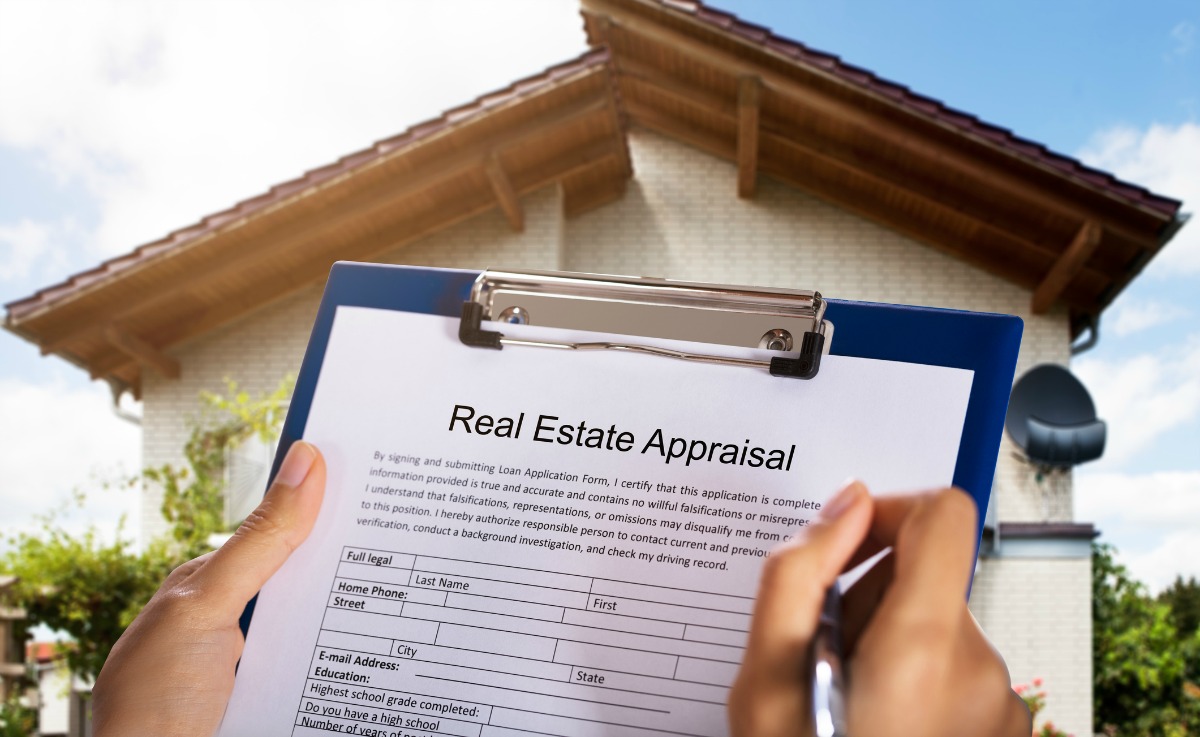
If the buyer is financing the purchase with a mortgage, their lender may require certain issues to be addressed before approving the loan.
Common examples include:
- Roof damage
- Safety hazards
- Structural concerns
- Missing handrails or exposed wiring
This means that even if the home is sold “as is,” certain repairs may still be required for the transaction to move forward.
5. The Home May Sit Longer on the Market

Homes listed “as is” sometimes stay on the market longer because buyers hesitate when they believe significant repairs are required.
When a property sits on the market for an extended period, buyers may start wondering:
- “What’s wrong with the house?”
- “Why hasn’t it sold yet?”
This perception can lead to price reductions and weaker offers over time.
6. Small Repairs Often Produce Big Returns
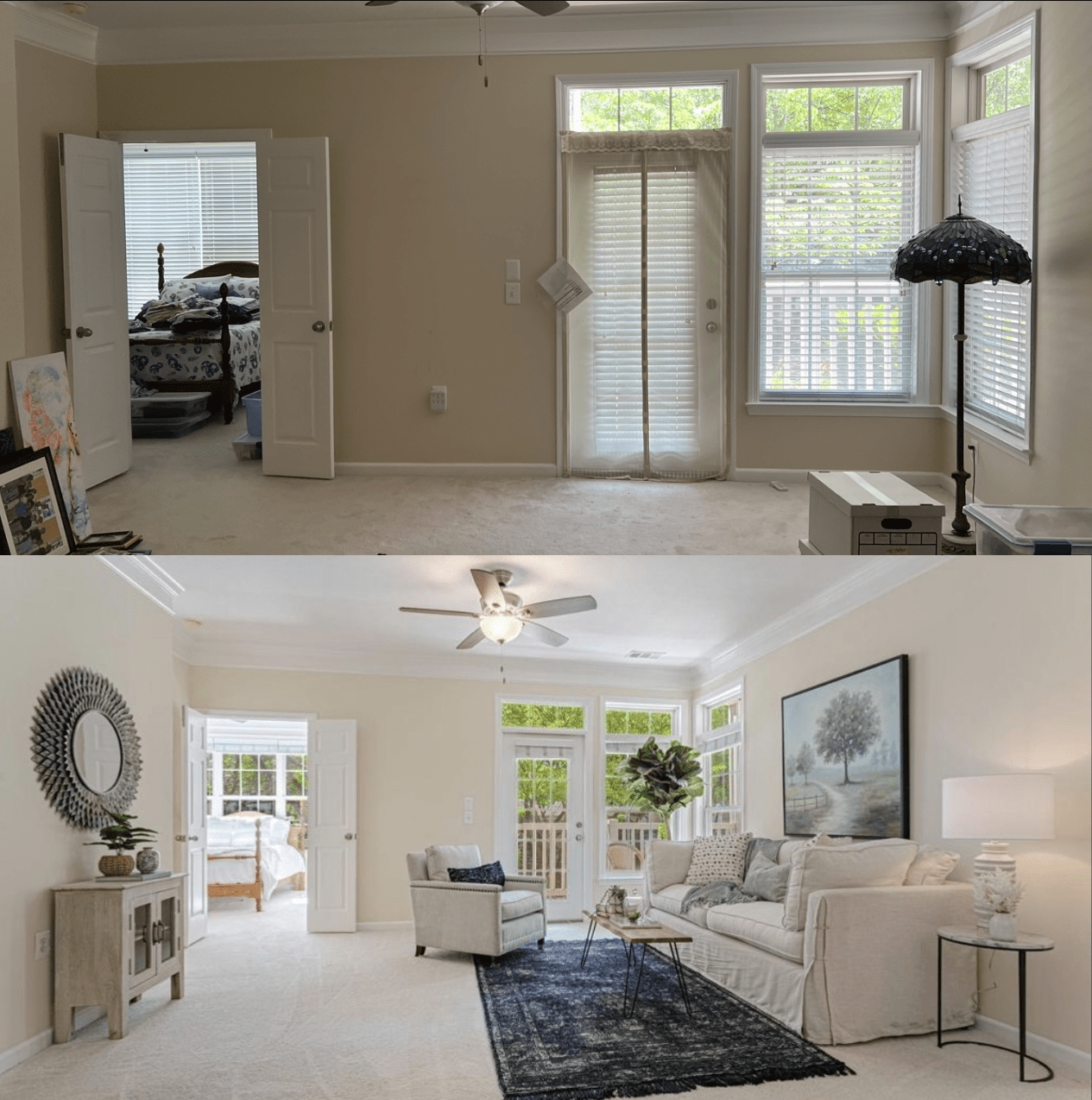
Many sellers are surprised to learn that minor improvements can significantly increase the value of their home.
Simple updates such as:
- Fresh paint
- Landscaping improvements
- Updated lighting
- Minor kitchen upgrades
- Professional staging
can dramatically improve how buyers perceive the home and lead to stronger offers.
When Selling “As Is” Makes Sense
There are situations where selling “as is” may still be the right decision, such as:
- Estate sales
- Major structural repair situations
- home renovations is required
- Investment properties
- Sellers who need to move quickly
However, even in these cases, it’s often beneficial to understand what the home might sell for with and without improvements.
The Best First Step Before Selling
Before deciding whether to sell your home “as is,” it’s helpful to understand your property’s current market value and what buyers are willing to pay in today’s market.
You can start by getting a free St. Louis home value estimate here:
👉 https://www.4salestlouis.com/St-Louis-home-valuation/
Knowing your home’s value and the potential return on improvements can help you decide the best strategy to maximize your sale price.

 STL Selling